

- 1. Select short- to medium-maturing and flood-tolerant varieties.
- 2. Scaling up viable approaches like conservation agriculture, which effectively uses all soil fertility enhancers and conserves water and soil, including both organic and inorganic fertilizers.
- 3. Use mulch or cover crops to lessen runoff and shield soil from the effects of heavy rainfall.
- 4. To stabilize the soils and reduce runoff and soil erosion, build stone bunds and diversion furrows along field contours.
- 5. To prevent flooding, choose fields that are not near rivers or in valleys.
- 6. Use fertilizers carefully. To avoid leaching and runoff losses, don’t apply fertilizer right before a lot of rain.
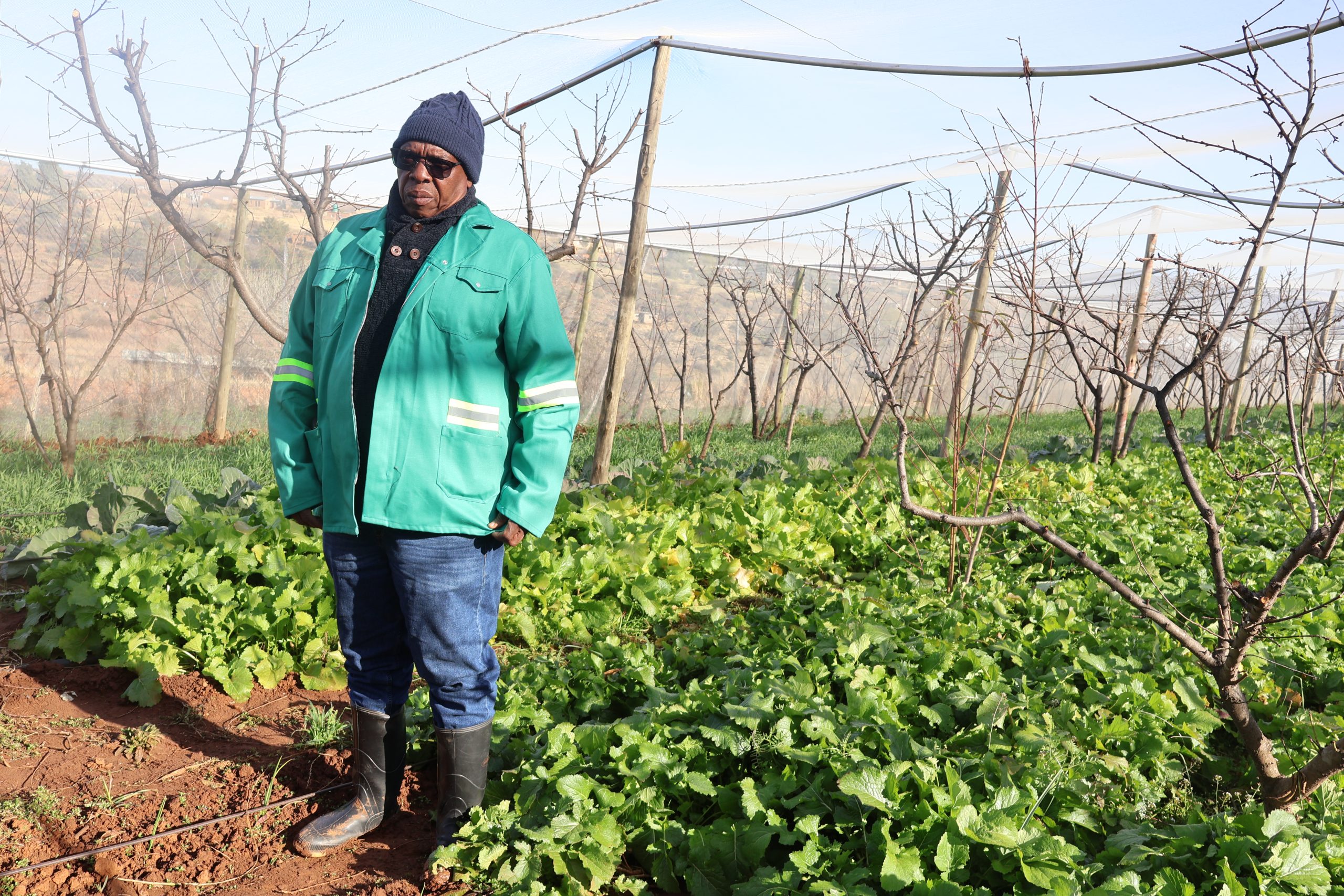
- 7. To reduce crop loss during heavy rains, increase the production of horticultural crops inside protected structures such as plastic tunnels, greenhouses, and shade nets.
- 8. Conduct routine inspections for pests and diseases; damp environments can encourage bacterial and fungal infections. As instructed by extension officers, quickly implement control measures.
- 9. Use herbicides to efficiently control weeds during the wet season. However, use caution while spraying them because a lot of rain can wash the herbicides away or lessen their effectiveness.
- 10. Extension staff is there to advise farmers on crop suitability according to the agro-ecological zones to ensure maximum yield.
Posted in Announcement Farm